What Is Yoga Nidra? A Guide to Yogic Sleep
In a world that rarely slows down, deep rest has become something of a lost art. Many of us struggle to sleep and even when we do drop off, we don’t truly rest. This is where Yoga Nidra, often called “yogic sleep,” comes in – it’s a powerful yet accessible practice that invites profound relaxation without effort or strain.
Despite the name, Yoga Nidra isn’t about falling asleep on a yoga mat. It’s about entering a state of conscious rest where the body sleeps, the mind softens and awareness remains gently awake.
The Meaning of Yoga Nidra
The term Yoga Nidra comes from Sanskrit and translates to “yogic sleep.” It’s a guided meditation practice that systematically leads you into a deeply relaxed state somewhere between waking and sleeping.
In this state, your nervous system can shift out of stress mode and into restoration. Muscles relax, breathing slows and brain waves drop into slower frequencies associated with healing, creativity and emotional processing.
Many people describe Yoga Nidra as feeling more restful than sleep itself.
What Happens During a Yoga Nidra Practice?
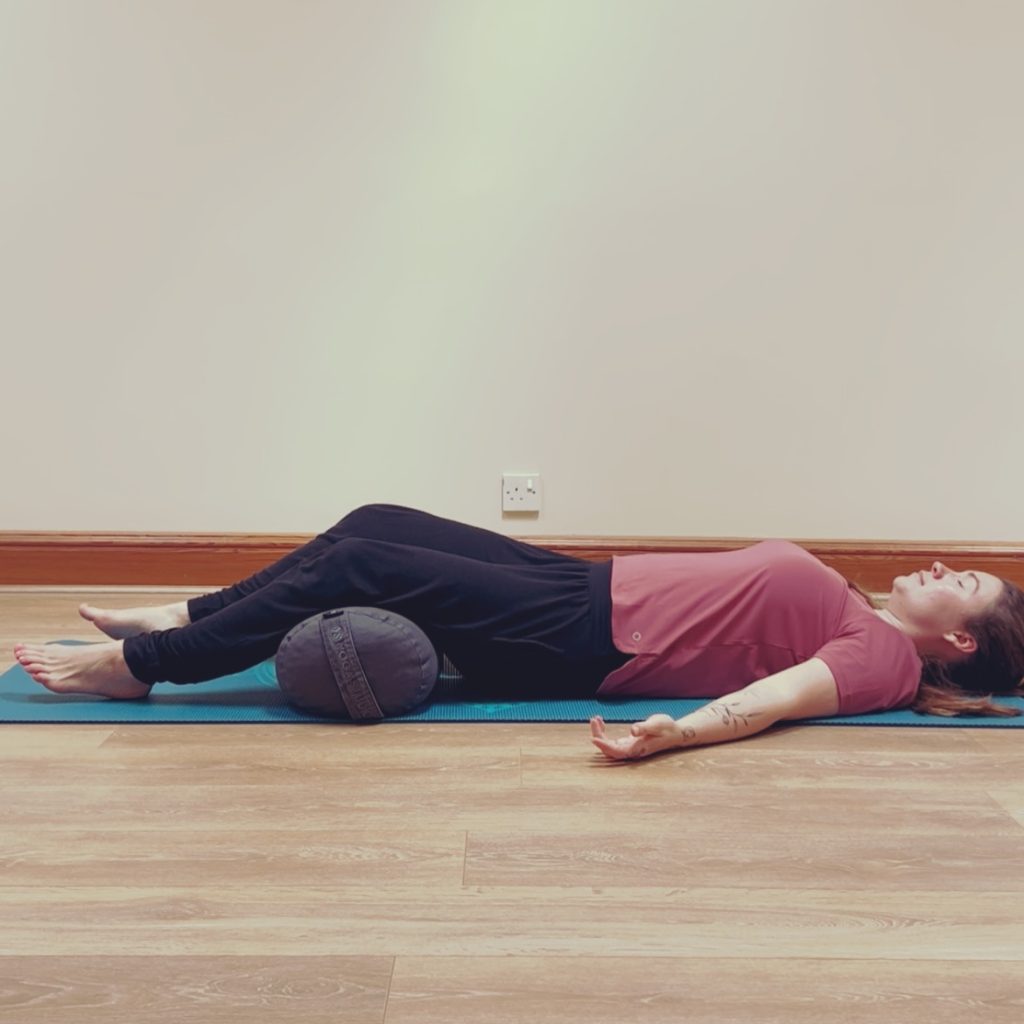
A typical Yoga Nidra session lasts anywhere from 10 to 45 minutes and is usually done lying down in a comfortable position (such as savasana. In my sessions, I bring bolsters, pillows and blankets so you can get really comfy and cosy. You can find upcoming dates here.
The practice generally follows a structured sequence, which may include:
-
Setting an intention (Sankalpa): A short, heartfelt resolve or intention planted while the mind is receptive.
-
Body awareness: Moving attention through different parts of the body to encourage relaxation and presence.
-
Breath awareness: Observing the natural rhythm of the breath to calm the nervous system.
-
Sensations and imagery: Exploring opposites (such as heaviness/lightness or warmth/coolness) or visualizations to engage the subconscious.
-
Gradual return: Gently transitioning back to ordinary waking awareness.
There’s nothing to do or achieve in Yoga Nidra – the practice works because it removes effort.
How Is Yoga Nidra Different From Meditation?
While Yoga Nidra is a form of meditation, it’s quite different from practices that involve concentration, posture, or focus on the breath. In Yoga Nidra:
-
You lie down instead of sitting upright
-
You’re guided throughout the entire practice
-
You don’t try to control thoughts or sensations
-
You’re encouraged to rest deeply rather than stay alert or focused
This makes Yoga Nidra especially accessible for people who find traditional meditation challenging, exhausting or intimidating.
The Benefits of Yoga Nidra
Research and lived experience both suggest that Yoga Nidra offers a wide range of benefits, including:
-
Deep physical relaxation
-
Reduced stress and anxiety
-
Improved sleep quality
-
Support for burnout and fatigue
-
Enhanced emotional resilience
-
Greater clarity and creativity
Some studies suggest that as little as 30 minutes of Yoga Nidra can feel as restorative as several hours of sleep, particularly for the nervous system.
For people living with chronic stress, trauma, or overstimulation, Yoga Nidra can be a gentle way to feel safe in the body again.
What if I fall Asleep?
The short answer: it’s okay.
While the intention is to remain aware, drifting in and out of sleep is completely normal (especially when you’re tired). Even if you sleep through parts of the practice, your nervous system is still receiving the benefits.
Yoga Nidra isn’t about performance and there’s no pressure to stay awake.
Who Is Yoga Nidra For?
Yoga Nidra is suitable for almost everyone. You don’t need flexibility, fitness, or prior yoga experience. It can be particularly helpful for:
-
People with busy or overactive minds
-
Those experiencing stress, anxiety, or overwhelm
-
Anyone struggling with sleep
-
People recovering from illness or burnout
-
Those curious about meditation but unsure where to start
It’s also widely used in therapeutic, clinical, and trauma-informed settings because of its gentle and non-invasive nature.
Yoga Nidra in Mirfield
In a culture that values productivity above all else, Yoga Nidra quietly offers something radical: rest as a form of healing. And sometimes, that’s exactly what we need.
Upcoming Yoga Nidra workshop: 30 January